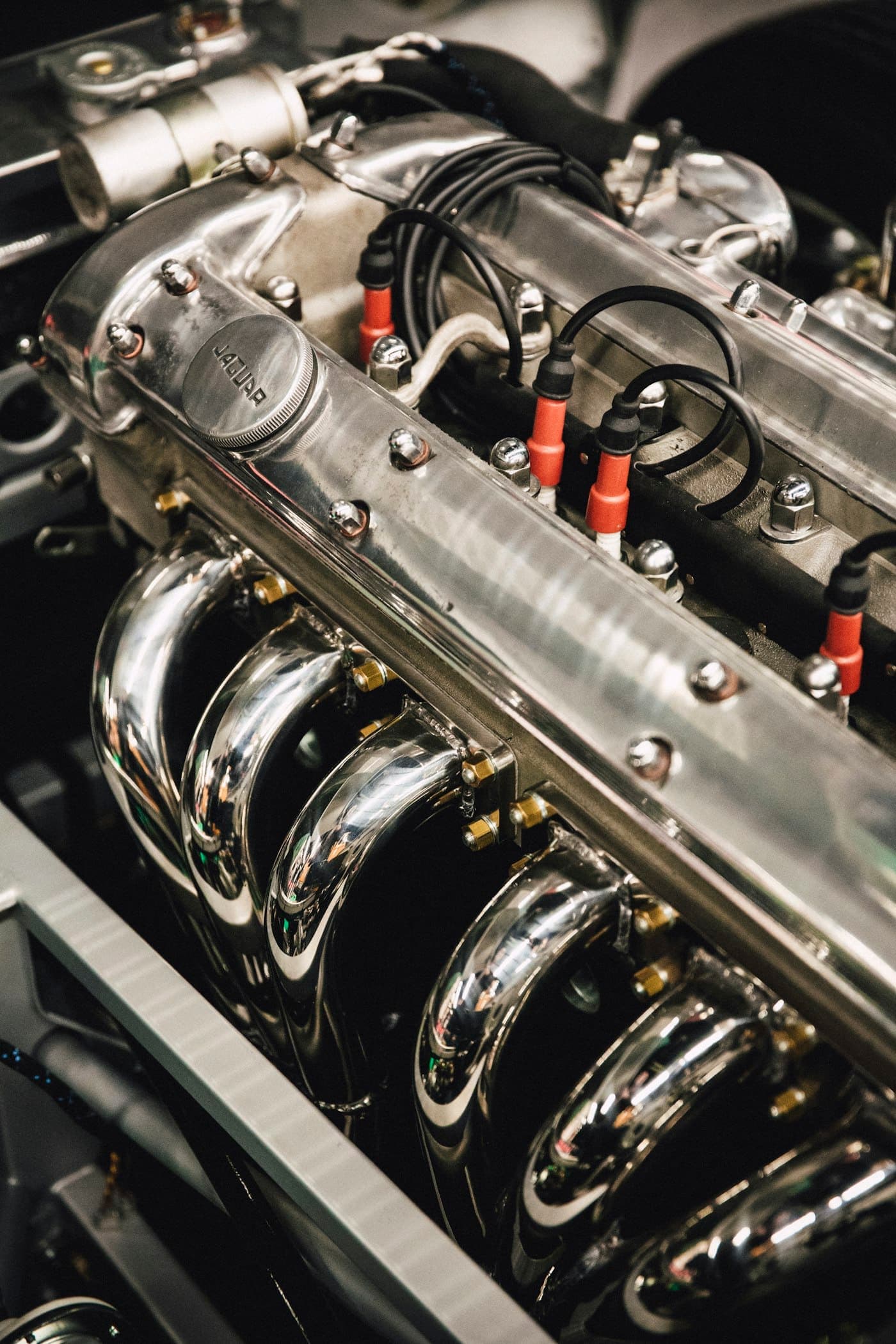
How Often Should You Actually Change Your Engine Oil?
The interval on the sticker, the interval in your handbook and the interval your driving justifies are frequently three different numbers. Here is how to work out which one applies to you.
Car Cure journal
Latest
The interval on the sticker, the interval in your handbook and the interval your driving justifies are frequently three different numbers. Here is how to work out which one applies to you.
The archive
Matches titles, summaries and tags.
9 articles
The interval on the sticker, the interval in your handbook and the interval your driving justifies are frequently three different numbers. Here is how to work out which one applies to you.
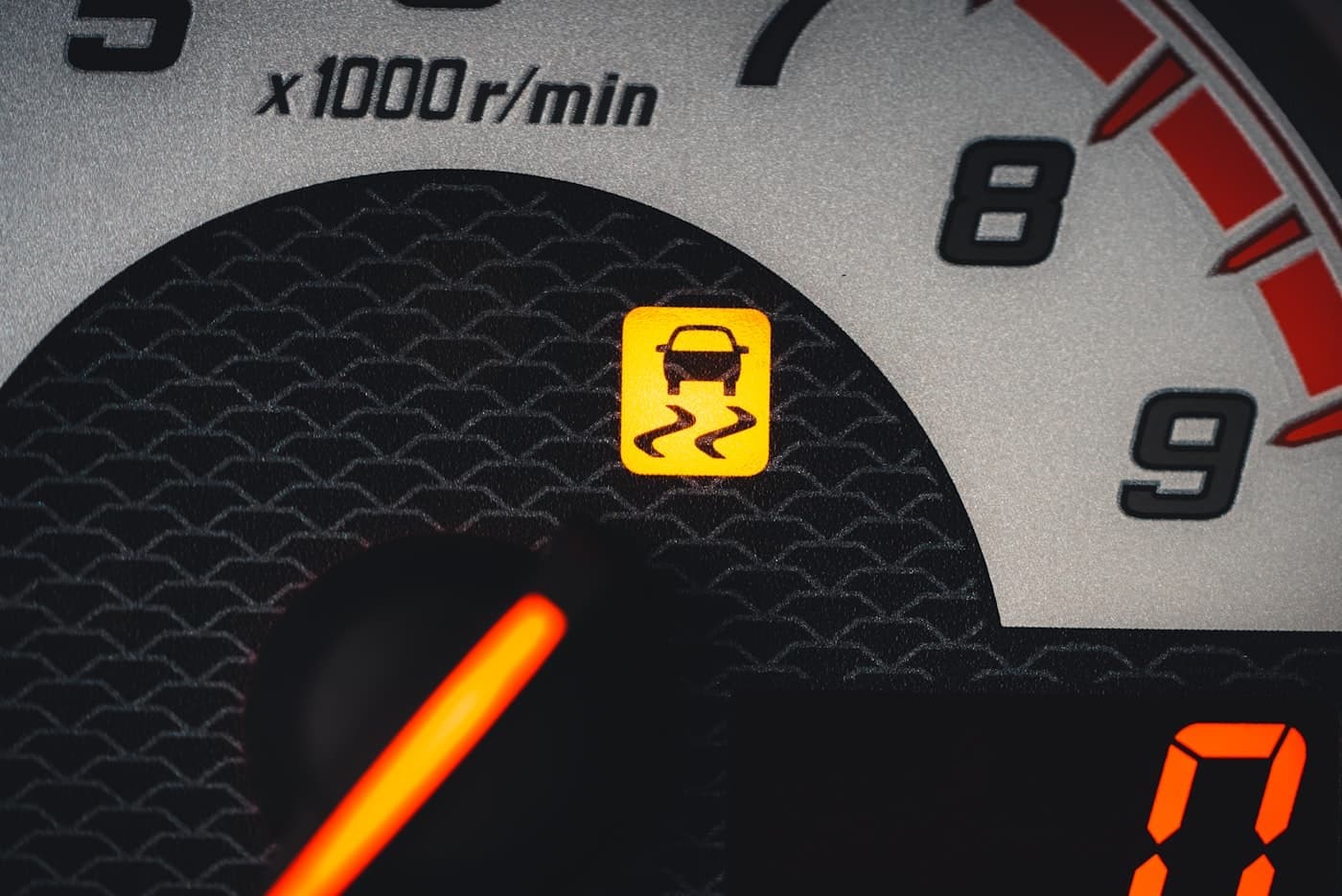
A steady amber lamp and a flashing one are two completely different messages. Knowing which you are looking at tells you whether to book a diagnosis or stop driving now.
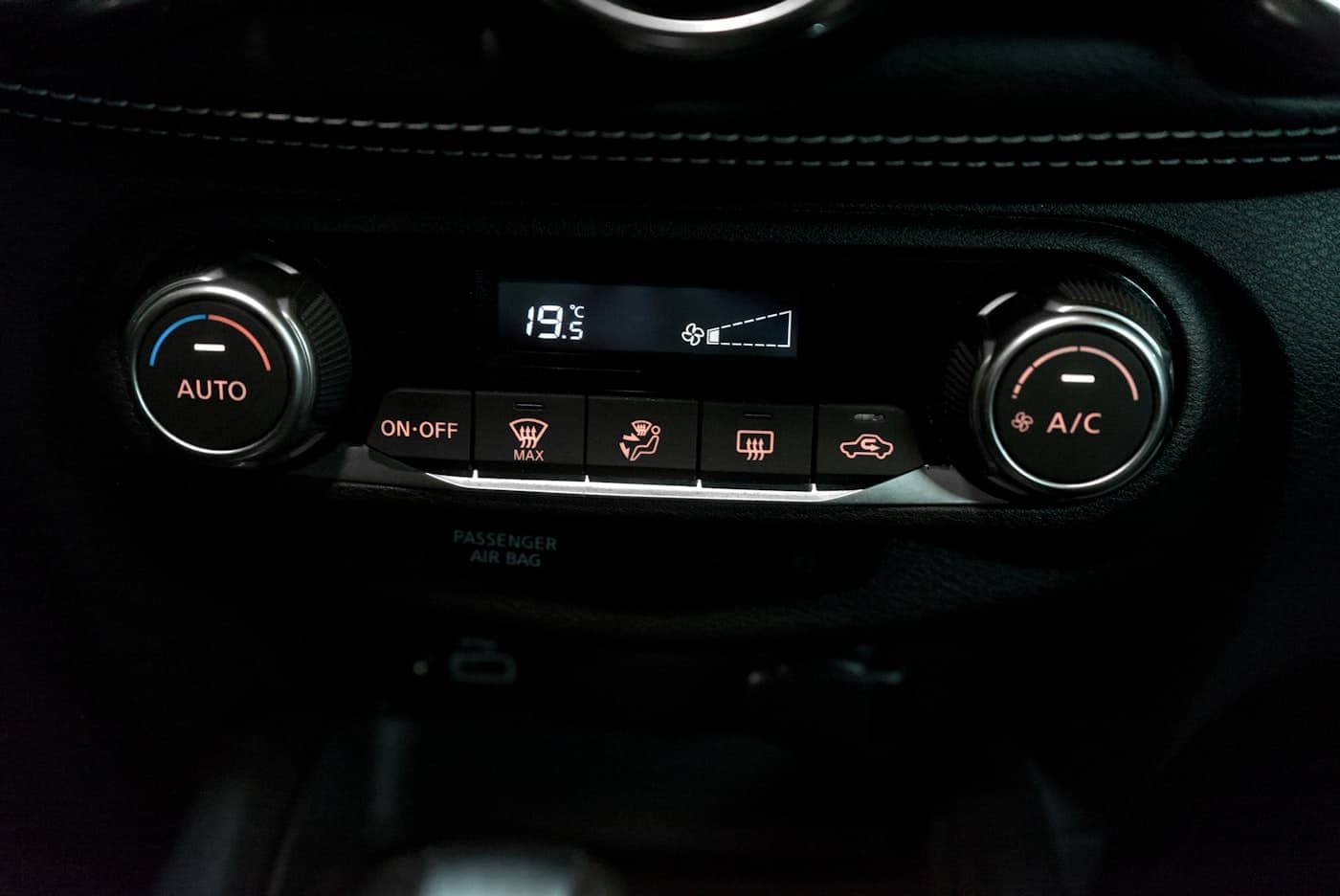
Air conditioning is a sealed system. If it is low on refrigerant, that refrigerant escaped somewhere - and refilling it without finding the leak just buys you a few weeks.
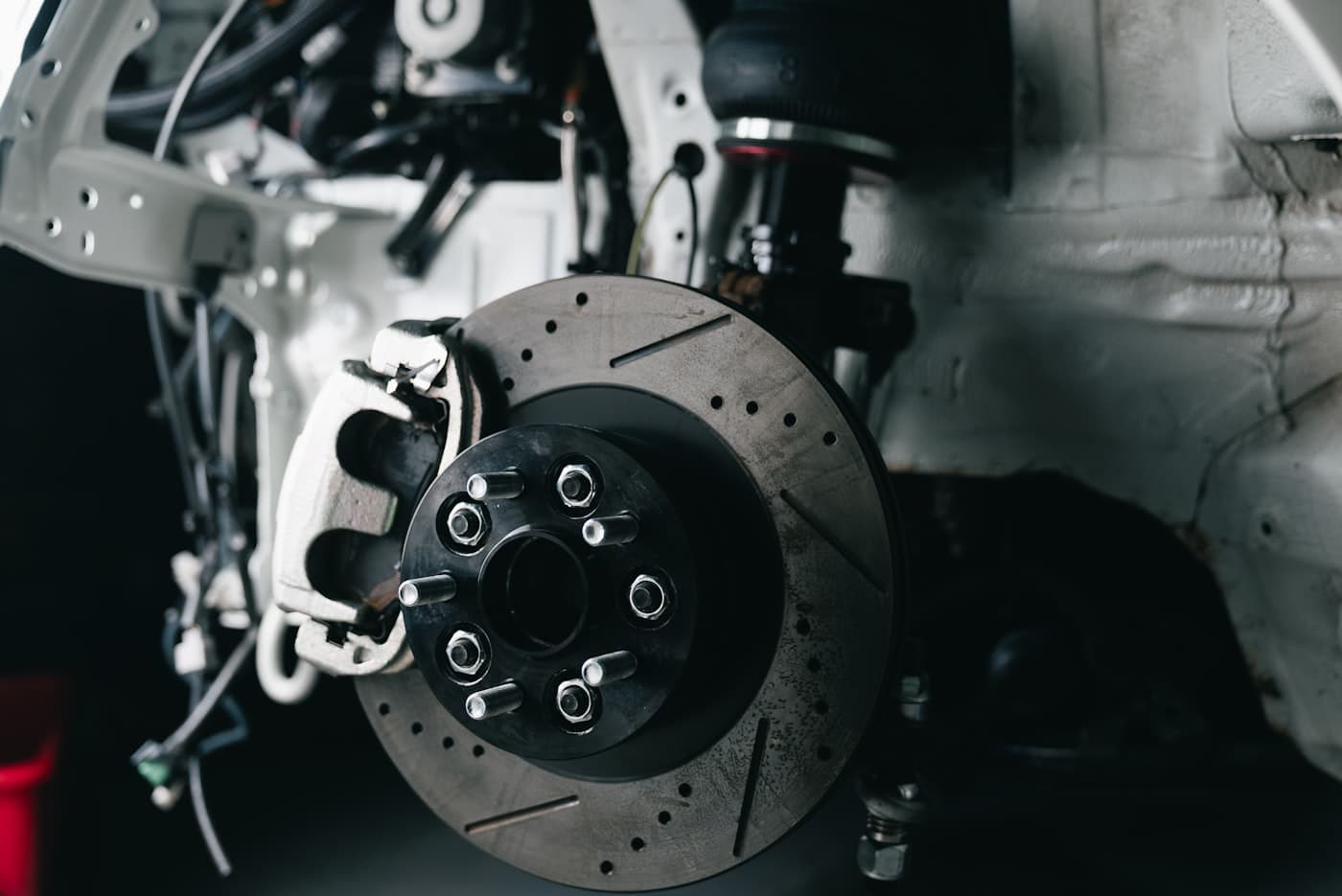
Brakes give plenty of warning before they fail. The problem is that the warnings arrive gradually enough that most drivers adapt to them without noticing.
A shiny car with a clean interior tells you the seller owns a polishing cloth. Here is what to look at that actually predicts what the car will cost you.
Wet roads change stopping distances, visibility and grip all at once. Most of what protects you is checkable in twenty minutes in your own driveway.
Engines make noise. The useful skill is telling the harmless from the expensive - and knowing which of them means switching off right now.
Most of the fine scratches that make older paint look dull were not put there by the road. They were put there during washing.
A modern car is a network of computers that happens to have wheels. Understanding roughly how they talk to each other explains a lot of otherwise baffling faults.
Subjects we cover
Service intervals, wear items and what actually needs doing when.
Practical habits that keep a car looking and running better for longer.
Warning lights, fault codes and how a proper diagnosis actually works.
Oil, cooling, combustion and the noises worth taking seriously.
Why cooling fades, what a recharge does, and what it does not fix.
Pads, discs, fluid and the symptoms that mean stop driving.
Inspecting, valuing and negotiating on a used car.
Tyres, visibility, wet weather and driving with a fault.
How modern vehicle systems work, in language that stays useful.

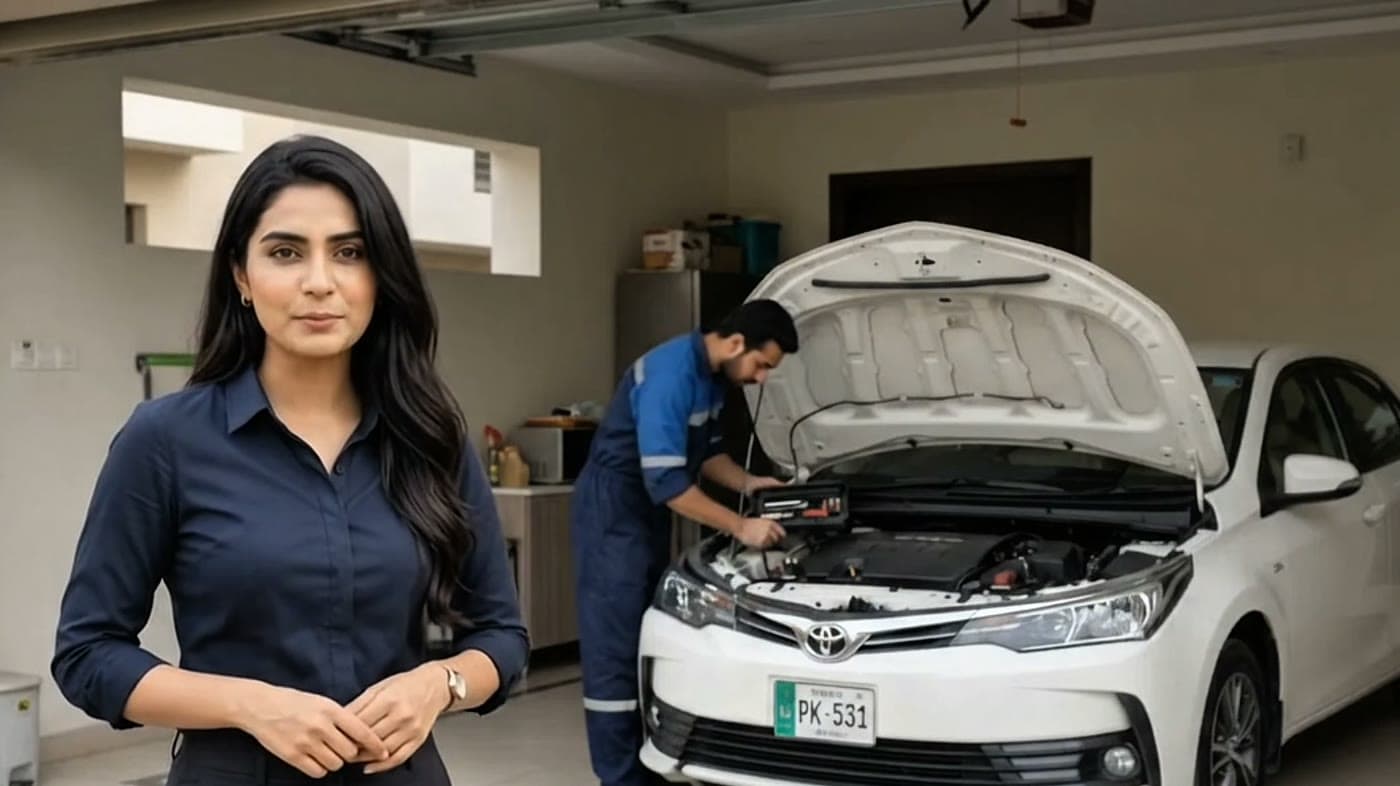
An article can tell you what a symptom usually means. A technician at your address, with the diagnostic equipment in front of the car, can tell you what it means on yours.
Submitting a booking request costs nothing and charges nothing. An advisor confirms your slot before a technician is dispatched.