
It is genuinely reasonable to feel that cars have become impenetrable. A vehicle from the eighties could be diagnosed with a timing light, a multimeter and patience. A car built in the last fifteen years contains dozens of networked computers, several kilometres of wiring, and behaviour that only makes sense once you know how the pieces talk to each other.
Control modules: small computers with narrow jobs
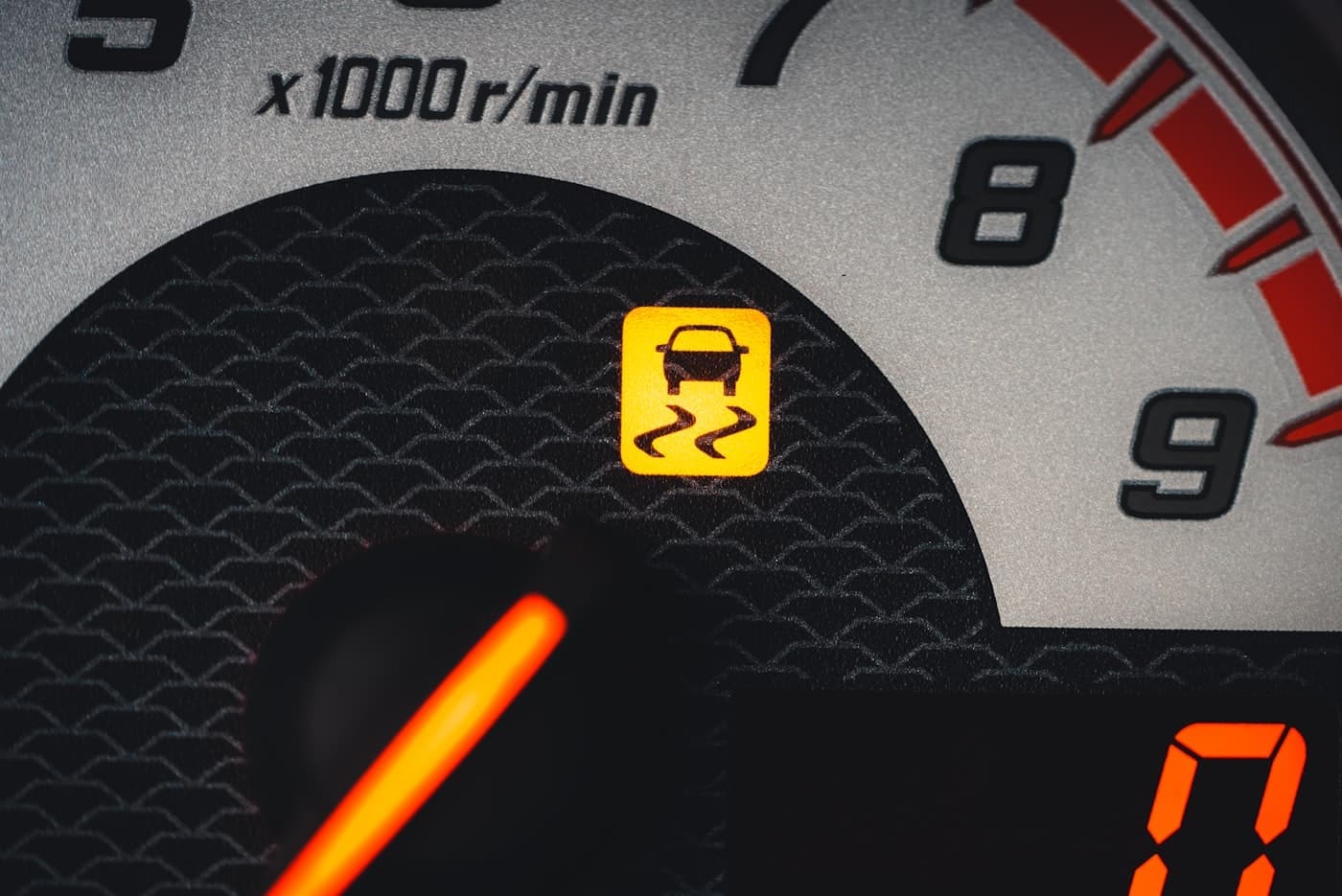
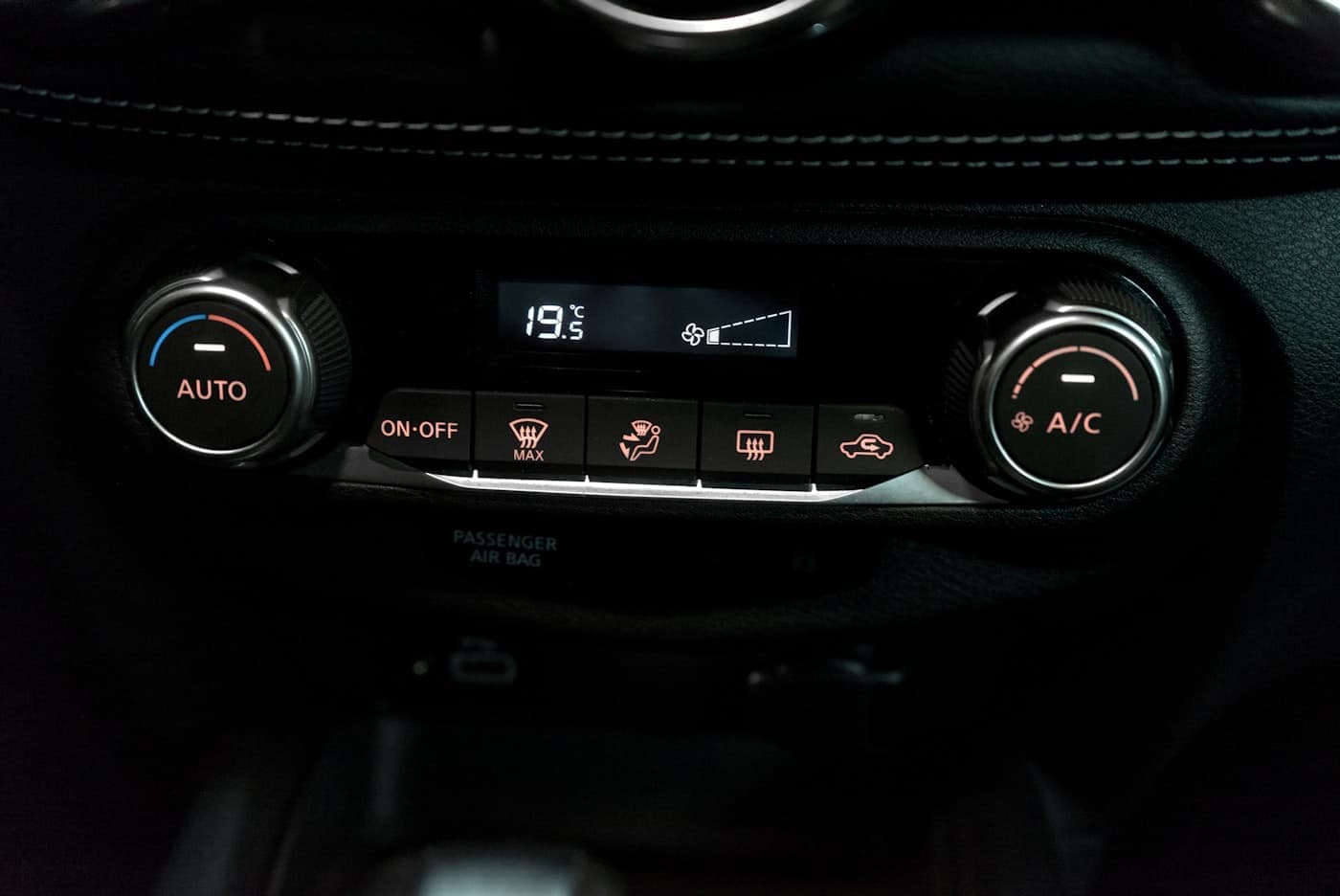
Your car contains a number of electronic control units, each responsible for one area. The engine control module manages fuelling, ignition timing and emissions. The transmission control module decides shift points and clutch pressures. There are modules for ABS and stability control, for the body electronics that run lights and locks, for the instrument cluster, for airbags, for climate control, and often several more.
Each module follows the same pattern: read sensors, apply logic, drive actuators, and monitor whether the result matched the expectation. That last step is what generates fault codes. The module is not merely commanding - it is checking its own work, and storing a code when reality disagrees with it.
The network that connects them
Wiring every module directly to every other module would need an impractical amount of copper. Instead they share a communications network, most commonly a CAN bus, which in its simplest form is a twisted pair of wires that every module listens to and transmits on.
Messages are broadcast rather than addressed. The engine module puts road speed onto the bus; the instrument cluster, the transmission module, the stability control module and the radio all read the same message and use it for their own purposes. One sensor, one message, many consumers.
Sensors and actuators
Sensors convert something physical into an electrical signal a module can read - temperature, pressure, position, rotational speed, oxygen content in the exhaust. Actuators do the reverse, turning an electrical command into physical action: injectors, ignition coils, throttle bodies, valves and motors.
The important thing to understand is that a module can only work with the signal it receives. It has no independent way of knowing whether that signal is truthful. A coolant temperature sensor that reports 20°C when the engine is at 90°C will cause the module to over-fuel exactly as if the engine really were cold. The module is behaving correctly on false information.
This is why diagnosis means testing the circuit, not just reading the code. The code tells you what the module saw. It does not tell you whether what it saw was true.
Adaptation: your car learns, and sometimes needs telling to stop
Many modules adapt over time. The engine module learns fuel trim corrections to compensate for ageing components. A transmission module learns clutch fill pressures as friction material wears. Throttle bodies learn their closed position.
That adaptation is useful, but it means some repairs are incomplete without a reset or relearn procedure. Fit a new throttle body and leave the old adaptation in place and the idle can be poor even though the part is perfect. This is one of the practical reasons proper diagnostic equipment matters - a basic code reader can read and clear codes, but it cannot perform adaptations, calibrations or module coding.
What this means for you as an owner
- Several unrelated warning lights appearing at once often means one shared input has failed, not several separate faults.
- Electrical gremlins that come and go are frequently connector, earth or wiring issues rather than failed modules - modules fail far less often than people assume.
- Battery voltage matters enormously. Modules behave unpredictably on low voltage, so a weak battery can produce a scattering of nonsense faults across the car.
- After a repair, ask whether an adaptation or relearn is required. On a lot of components it is the difference between fixed and nearly fixed.
The complexity is real, but it is not arbitrary. Systems built to check their own work leave a trail of evidence, and that evidence is readable by anyone prepared to test rather than assume.