At your address
Car Tuning in Lahore
Engine tuning and general tuning at your doorstep, at a price published before you book.
Confirmed when you book - it depends on the engine and its conditionLearn more
Doorstep service
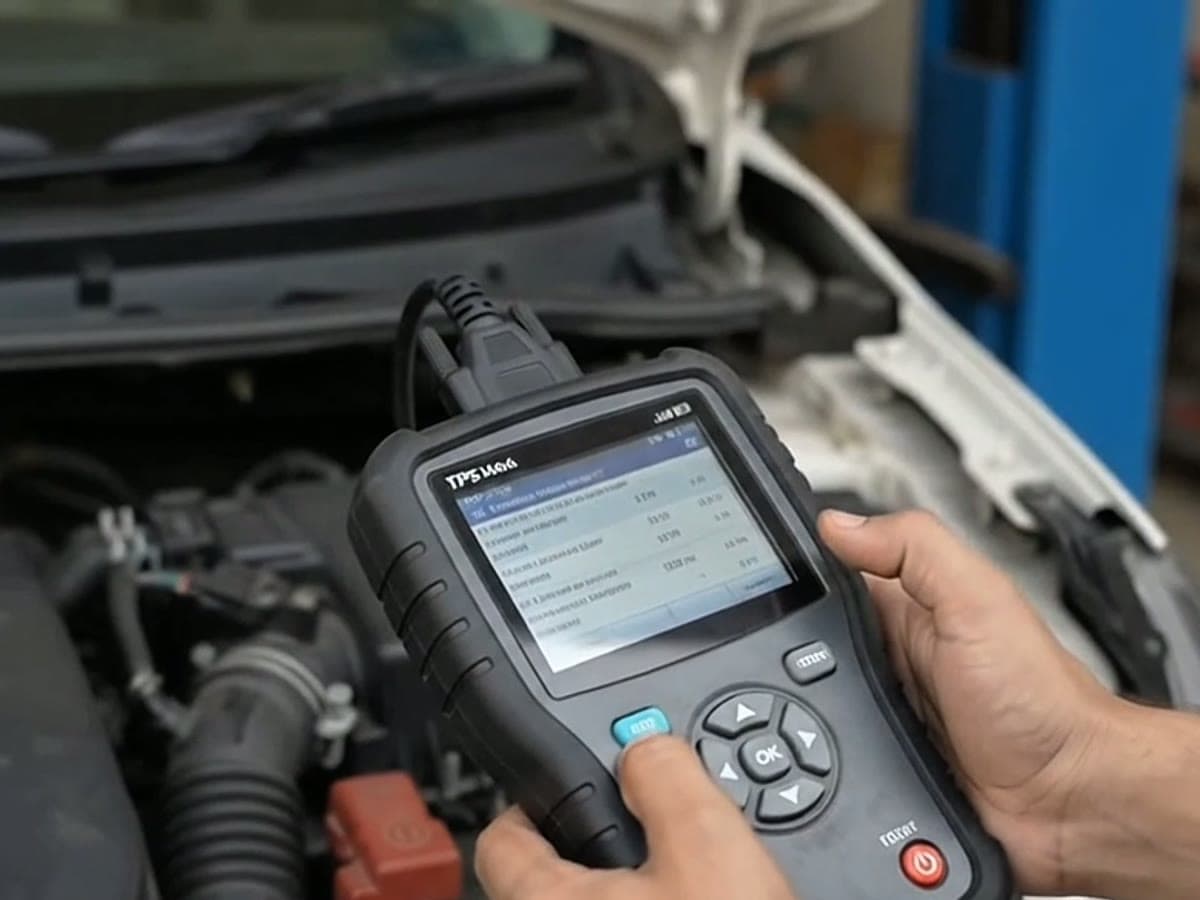
Modern cars run dozens of control modules that constantly monitor sensors and actuators. When a reading falls outside expected range, the module stores a fault code and, if it matters, illuminates a lamp on the dash. That code is a starting point for a diagnosis - it is not the diagnosis itself.
A code such as a lean running condition can be caused by a vacuum leak, a tired oxygen sensor, a dirty mass airflow sensor, low fuel pressure or an exhaust leak ahead of the sensor. Replacing the part named in the code without testing is how people end up paying for three parts to fix one fault.
So our sequence is: read every module, capture freeze-frame and live data, reproduce the condition where possible, then test the suspect component directly. You get told which of those steps confirmed the cause, and what evidence pointed there.
Scope of work
Why it matters
You get an explanation of what is failing and why, rather than a printout of codes and a parts list.
Testing before replacing is slower on the day and much cheaper across the repair.
Faults are separated into safety, driveability and monitor-only, so you can plan the spend.
The written report is yours. If you choose to have the repair done elsewhere, you still own the diagnosis.
How the visit runs
When does it happen - cold start, at speed, in traffic? Recent work? Those answers narrow the search before the scanner is connected.
Every reachable module is read so we catch related faults that a quick engine-only scan would miss.
Sensor values are watched while the engine runs so intermittent and out-of-range readings show themselves.
The suspect circuit or component is tested directly to confirm the cause before anything is recommended.
You receive the findings in plain language with the repair options, and you decide what happens next.
A lean-running code that was not the oxygen sensor. That is a worked example of this sequence rather than a customer’s job, written out from the first symptom to the reading that confirmed the repair.
Read the worked exampleQuestions
Related
Engine tuning and general tuning at your doorstep, at a price published before you book.
Diagnose the fault properly, then repair only what the evidence supports.
Tracing faults through the circuit instead of replacing parts and hoping.
Scheduled servicing that follows your manufacturer's plan, not a guess.
Tell us the car and where it is parked. A technician arrives with the right tools and fluids, and you approve an itemised estimate before any work begins.
Submitting a booking request costs nothing and charges nothing. An advisor confirms your slot before a technician is dispatched.