
Buying a used car is the largest purchase most people make on the least information. The seller knows the car's history and you have twenty minutes in a car park. That asymmetry is the whole problem, and most of what you can do about it comes down to looking at things a polish cannot hide.
Start with accident history
This is where the most money hides, and it is checkable. Repaired accident damage affects structural integrity, how the car behaves in a subsequent impact, and resale value - and none of it is visible in a photograph.
- Panel gaps: walk the whole car and look at the gap between every panel. They should be even and consistent side to side. A gap that widens at one end is a strong signal of repair or impact.
- Paint texture and colour: look along the panels at a shallow angle in daylight. Repainted panels often show slightly different texture, orange peel, or a subtle colour mismatch that is invisible head-on.
- Overspray: check door shuts, the underside of the bonnet, rubber seals and plastic trim edges for paint that should not be there.
- Bolt heads: bonnet, boot and door hinge bolts with marked or repainted heads suggest a panel has been removed and refitted.
- Boot floor and spare wheel well: lift the carpet. Ripples, weld spatter or fresh underseal in the boot floor point at rear impact repair.
Mechanical checks that matter
Cold start
Insist on starting the car from cold. This is non-negotiable, and a seller who has warmed the car up before you arrive may simply be being helpful - or may be hiding a cold-start rattle, a puff of blue smoke, or slow cranking. If the bonnet is warm when you arrive, arrange to come back.
Fluids
- Oil: check the level and look at the filler cap. A pale, creamy emulsion under the cap can indicate coolant in the oil, though on short-trip cars it is sometimes just condensation - it is a reason to investigate, not to walk away instantly.
- Coolant: should be clean and coloured. Brown, oily or rusty coolant is a bad sign.
- Transmission fluid on an automatic: should not smell burnt.
- Look under the car and under the engine for active drips. A dry engine bay that has been recently steam-cleaned is worth a second thought.
Tyres tell you about the suspension
Read all four tyres. Wear concentrated on the inner or outer edge points at alignment or worn suspension components. Feathering across the tread suggests a toe problem. Scalloped or cupped wear often means worn dampers. Also check the date codes - four digits on the sidewall giving week and year. Tyres that are more than a few years old harden and lose grip regardless of tread depth, and a set of five-year-old tyres is a cost you will meet soon.
What to feel for on the test drive
- Brake firmly from a reasonable speed on a clear road: the car should stop straight, without pulling, pulsation or a soft pedal.
- On a straight, level road, briefly relax your grip: persistent pulling to one side means alignment or a suspension issue.
- Drive over an uneven surface and listen for knocks and clunks from the suspension.
- On an automatic, feel for hesitation between gears, harshness, or revs rising without matching acceleration.
- On a manual, test the clutch bite point and try a firm acceleration in a high gear - a slipping clutch shows itself as revs climbing faster than road speed.
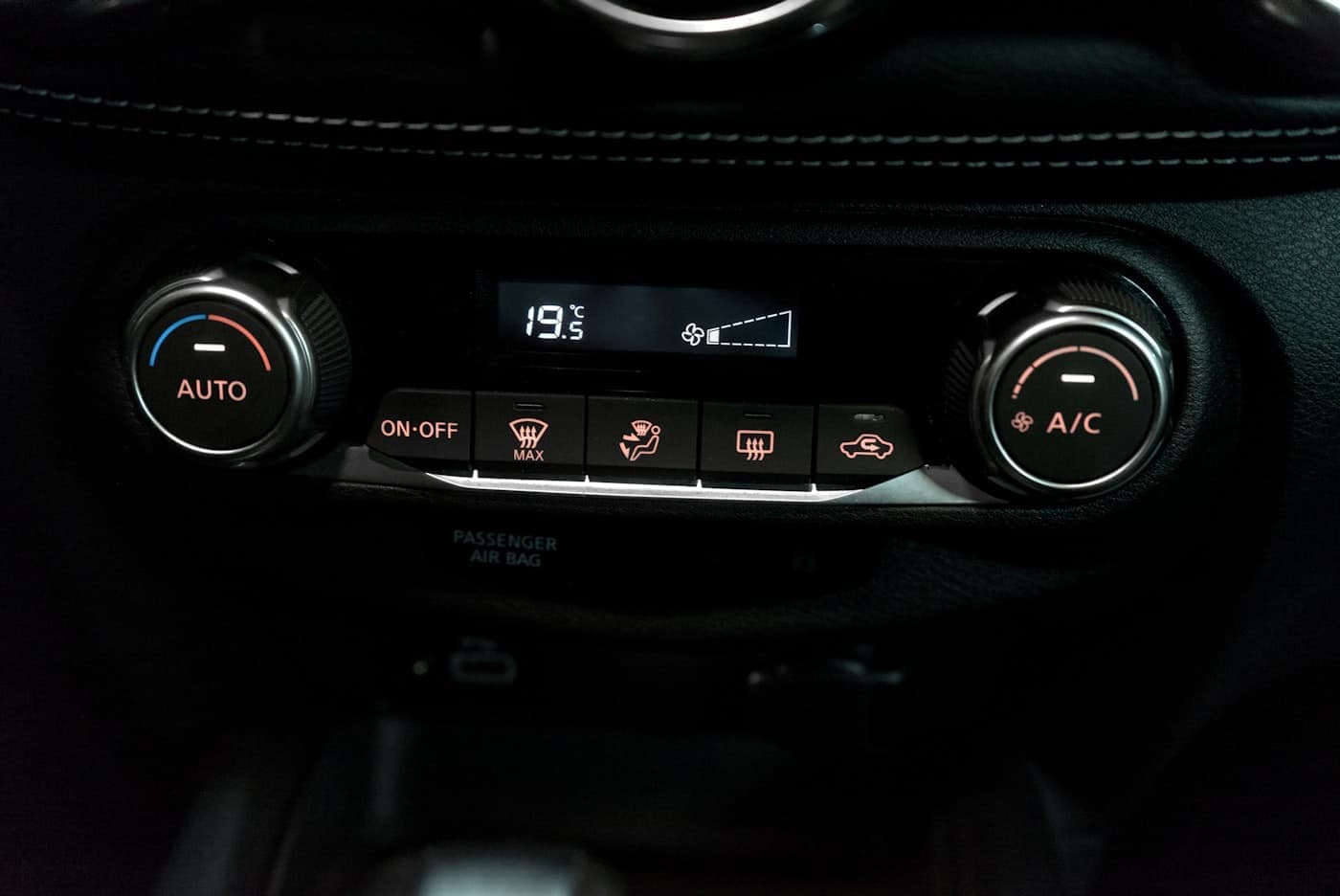
- Try every electrical function: windows, locks, AC on full, all lights, wipers, mirrors, infotainment.
Paperwork and consistency
Check that the documents match the car - registration details, chassis and engine numbers - and that the seller is the registered owner. Then look for consistency between the odometer and the car's physical wear. A steering wheel worn smooth, shiny pedal rubbers and a sagging driver's seat bolster on a low-mileage car do not add up.
Service records are genuinely valuable, and their absence is not automatically a dealbreaker - plenty of well-maintained cars have patchy paperwork. But an owner who kept records usually kept the car well too, and the records let you see whether major intervals like a timing belt have been done.
You are not trying to find a perfect car. You are trying to find out what this one will cost you after you buy it.
Get an independent inspection on anything serious
For a meaningful purchase, an independent pre-purchase inspection is the highest-value money in the whole transaction. Someone with a paint gauge, a scan tool and a lift finds in ninety minutes what you cannot find in a car park, and you get either the confidence to buy or an itemised list to negotiate against.
And if a seller refuses an independent inspection, weigh that carefully. It does not automatically mean something is wrong. But a seller confident in their car rarely objects to it being checked, particularly when the check happens where the car already is.